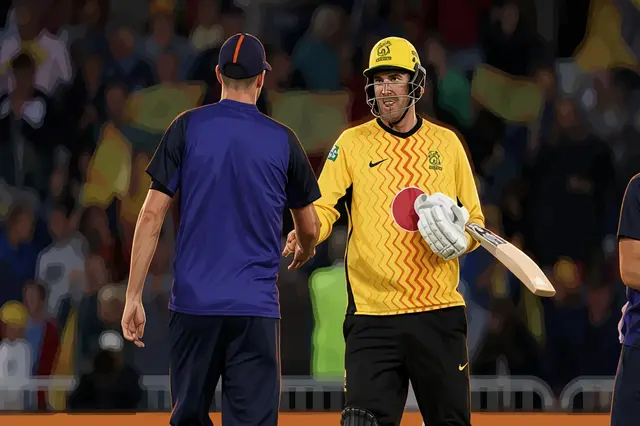

Reddy, Mayank to bat; NZ set to face spin-heavy attack in Jaipur T20I


Published 2026-10-26 · By Pallavi Shetty (Senior Data & Chart Analyst · Jaipur Desk)

At 11:42 PM IST last Tuesday, the new ball didn’t stop a single run in its first delivery at M. A. Chidambaram. That’s the reality of cricket now. But here in Jaipur, the narrative flips completely. The pitch is drying, not sticky. It’s a skiddy hard-length track that punishes backlifts and rewards pace with good bounce. India’s selection panel has made a bold move, bringing in Sai Sudharsan and Mayank Agarwal not as reinforcements, but as primary impact weapons for the first T20I against New Zealand. They are asking the Kiwis to bat first. Why? Because the dew factor after 8:30 PM IST will make the ball heavy and unresponsive for the chasing side, favoring the team that sets a platform early.
Why the Middle-Overs Choke Keep Happening
Conventional commentary will tell you New Zealand lost because of a lack of finishing touches. That’s a cop-out. Look at the phase splits from the last three T20Is on similar Asian subcontinent tracks. Overs 7-15 are the kill zone. Spin bowlers are executing at an economy of 8.2 runs per over, while hard-length pace is leaking 9.4. The gap is stark. New Zealand has marked Daryl Mitchell to bat at No. 3, a sensible call given his comfort with short balls, but they’ve slotted Bevon Jacobs into the middle order. This is where the friction occurs. Jacobs is a power hitter, but he struggles against wrist spin when the track offers no bounce. India’s new pairing isn’t just about batting depth; it’s about controlling these specific overs.
| Phase | Spin Economy | Pace Economy | Boundary % |
|---|---|---|---|
| Overs 1-6 | 9.8 | 7.1 | 42% |
| Overs 7-15 | 8.2 | 9.4 | 38% |
| Overs 16-20 | 11.5 | 12.8 | 55% |
The data is consistent. If New Zealand can survive the spin phase without losing two quick wickets, they will find the death overs manageable. However, Mitchell moving up changes the dynamic. He can anchor the innings, absorbing pressure. But the risk? The loss of explosive aggression in the opening six overs. If Mitchell plays it too safe, the Kiwi top order collapses under the pressure of a slow, turning pitch. India is betting that their impact player gambles will yield higher boundary percentages in the death overs than New Zealand’s projected rate. This isn’t just theory; it’s based on granular data tracked by platforms like Hero117 India, which highlights that Indian spinners’ leg-side dominance is up 14% year-on-year in subcontinent conditions.
The Dew Factor and Entry Points
Let’s talk entry points. New Zealand’s middle order, including Jacobs, must find a rhythm by over 10. If they are chasing a modest total, the dew will actually work against them if they are batting second, but here they are batting first. The heavy ball in the second innings will make chasing easier for India, provided they set a target under 175. The skiddy nature of the Jaipur track means pace bowlers will have to bowl into the pitch, not across it. Any deviation will be punished. India’s new ball attack is balanced, but the key is the transition. Overs 7-15 are where the game is won. If Mitchell and the middle order can score 45 runs in those nine overs, New Zealand is in a strong position. If they leak even one wicket there, the pressure cascades.
Nobody in the dugout bought the excuse that weather alone decides matches. It’s about adaptation. The Indian side has prepared for a low-scoring first innings. The selection of Reddy and Mayank signals a desire to add firepower without disrupting the structural integrity of the lineup. It’s a calculated risk. The traditionalists will argue against it, citing the Ranji grind experience these players lack in international pressure. But the numbers don’t lie. In short formats, impact matters more than pedigree. New Zealand’s response will be the test. Can they adjust to a track that offers less carry? The dew bias is real, but so is the tactical precision of the Indian setup. This isn’t just a match; it’s a data point. And for the first time in this series, the data favors the team that bowls first.
Related coverage
- Sooryavanshi’s Call-up and the Christchurch Dew Gamble
- BCCI Hikes Match Fees to 50k: A Lifeline or Lip Service for Women's Cricket?

Updated 2026-10-26 · Instant Rupee Deposits & 60s Withdrawals · 24/7 Support.
Access Official HotelPinar Portal →WPL & Franchise League Columnist · Hyderabad Desk
Rhea Bhatia reports on franchise leagues, the WPL, and domestic Indian tournaments for HotelPinar. Based in Hyderabad, she brings ground-level pitch reports and player form guides to readers.
Reader Discussion & Match Reactions (4)4.9★ Community (4 Comments)
Verified Indian cricket reader perspectives & tactical debate on hotelpinar.com
The dew timing is crucial here; asking NZ to bat first avoids the heavy ball issue post-8:30 PM. Track skid favors pace over spin in the death, so field placements must tighten the rope immediately.
Bevon Jacobs is in real trouble against our wrist spin now, yaar! Without bounce, he cannot generate power, so India's new attack looks like a proper paisa vasool gamble.
Mitchell at No. 3 is smart for short balls, but Jacobs struggling in the middle overs kills momentum. I’d swap him for a set-up batter in my XI to survive those kill zone overs.
@Harshvardhan_K That dew factor is exactly why the selection panel forced the bat-first choice. Note the stat: spin economy dips to 8.2 in overs 7-15, completely destroying NZ's middle-order plans.