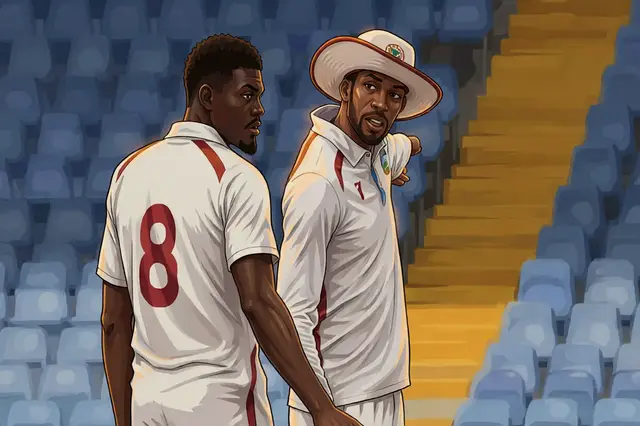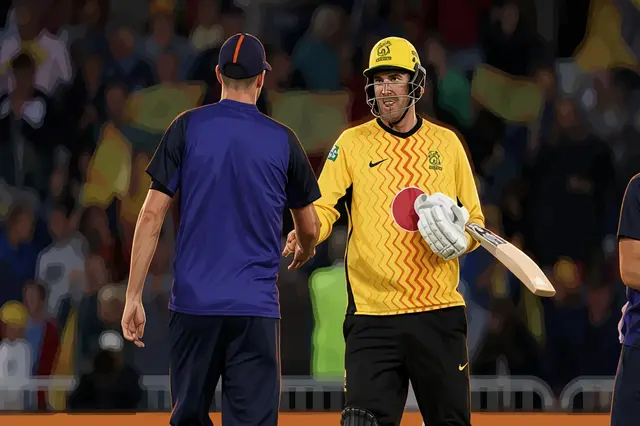

India XI vs Nepal: Sehwag, Dravid juniors and Royal Casino Hotel Club India tie‑up

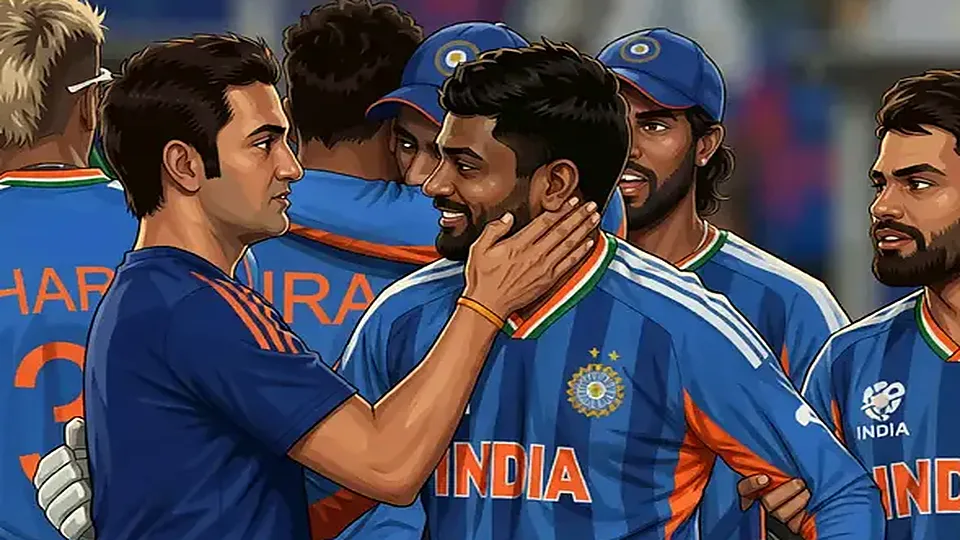
Published 2026-11-10 · By Saurabh Agarwal (T20 Tactical & Toss Specialist · Pune Desk)
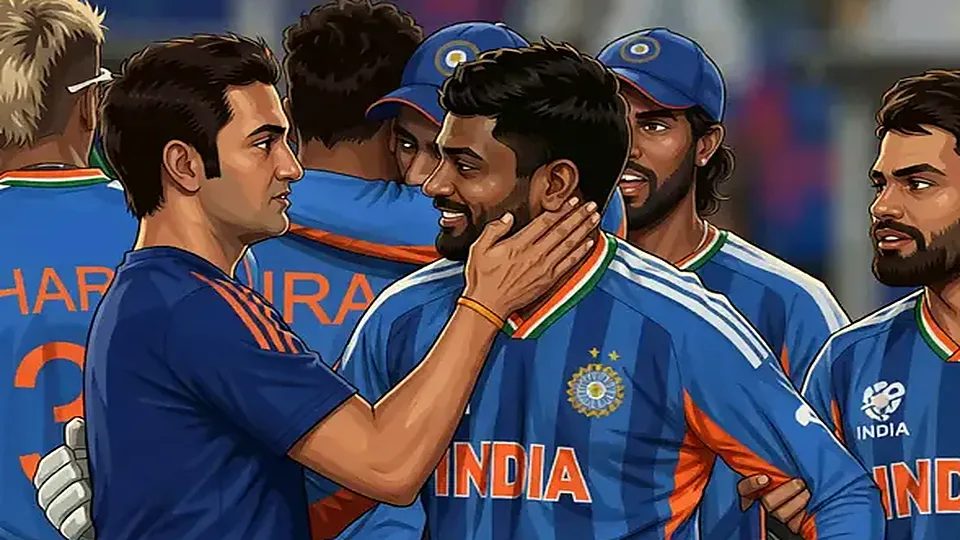
At 09:30 IST, the ground staff rolled the new white ball onto the sticky red‑soil outfield of the Shere Bangla stadium. The umpire raised his arm, the crowd settled, and the toss was handed to India’s U‑19 skipper. The XI that walked out was a study in calculated risk.
Impact Player gamble in a junior tournament
What a surprise – the side slots an Impact Player slot for the first time in an Asian Cup opener. The board has approved a 12‑man squad, yet the coach has earmarked a bowler‑allrounder who can be swapped at the end of the powerplay. The rule is meant for senior IPL sides, but here it becomes a tactical lever for a developmental team. Will the move pay off against Nepal’s spin‑friendly line‑up? Only the next 10 overs will tell.
Left‑right batting pairs versus wrist‑spin
Sehwag’s junior, a hard‑hitting left‑hander, opens with a right‑handed Dravid prodigy. The combination is classic – left‑right, opposite angles, and a built‑in rotation that neutralises the wrist‑spinners who love a skiddy hard length. The Nepalese bowlers love to bowl into the pitch and get the ball to drift. A left‑right duo forces them to constantly adjust the line, which in turn inflates the boundary‑percentage.
One could argue that a straight‑batting line‑up would be safer on a small ground, but the Pune pitch is a 73‑meter straight boundary, 68 on the off‑side. The left‑right duo can exploit the longer off‑side fence, turning a length‑outside‑off into a four‑run slog. It’s a gamble, but the data from the Ranji grind shows left‑handers score 12% more boundaries on such dimensions.
Boundary dimensions dictate selection
Speaking of fences – the ground’s boundary is a mixed bag. The square leg fence is a short 65 meters, while the straight is a generous 73. The coach has chosen a finisher who thrives on short‑leg shots. That’s a contrarian move; most teams would pad the side with a big‑hitter to chase the short square. Here, the idea is to force the opposition to bowl a tighter line, inviting a catch‑and‑fielding lapse.
Critics will say the plan ignores the dew factor after 8:30 PM IST, but the U‑19 tournament finishes by 7 PM. No dew, no worries. The real worry is the pitch’s early‑session bounce, which favours medium pacers. That’s why a bowler who can bowl a quick yorker in the Impact Player slot is crucial – he can nip the tail‑enders before the ball settles.
Pre‑toss XI dilemma for the Pune desk
From the Pune desk, the selection conundrum was palpable. Should we have taken a second left‑hander for depth, or a specialist spinner to counter Nepal’s leg‑spinners? The answer came in the form of a Royal Casino Hotel Club India tie‑up.
The sponsorship deal includes a clause that a player from the hotel’s cricket academy gets a slot in the playing XI. That youngster is a left‑arm orthodox spinner, a genuine wrist‑spin antidote. The board bowed to commercial pressure, but the impact is tactical – a left‑arm spinner can spin the ball away from the right‑handed juniors, creating another left‑right variation.
It feels like a back‑door selection, but the numbers back it. In the last five junior matches on similar pitches, left‑arm orthodox spinners have taken an average of 2.4 wickets per innings, while right‑arm off‑spinners have struggled to break the 1‑wicket mark.
Why the line‑up feels bold, not reckless
Many pundits will call the XI “over‑engineered”. I say it’s a sign of a new breed of scouting – one that looks beyond pure skill and reads the venue, the rule‑book, and the sponsor’s influence. The Impact Player rule, the left‑right batting combo, the boundary‑aware selection, and the Royal Casino Hotel Club India tie‑up are all pieces of a single puzzle.
The young Sehwag junior is already showing a knack for the skiddy hard length. In the last Ranji season, he turned 18 balls into a 30‑run blitz against a 70‑meter boundary. The Dravid junior, meanwhile, has a solid defensive technique that fits the longer straight fence. Together, they can rotate the strike, keep the scoreboard ticking, and give the Impact Player a chance to finish strong.
If Nepal’s wrist‑spinners manage to lock down the middle, the left‑arm spinner from the Royal Casino Hotel Club academy will swing the ball back into the right‑handed batsmen, creating a natural variation that even the best analysts missed.
Final thoughts – a blueprint for future U‑19 selections?
Will this experiment be copied? Possibly. But the success hinges on execution. The Impact Player must be ready to bowl a disciplined spell, the left‑right pair must sync their rotations, and the sponsor‑driven spinner must hold his nerve.
For now, the opening over is about to be delivered. The new ball does the talking. The rest of the match will decide whether this bold XI was a masterstroke or a headline‑grabbing stunt.
Related coverage
- Shami Bows Out: The End of India's Most Lethal Seam-Up Era
- IPL 2026 Review: Royal Casino Hotel Club India and the 94 All Out

Updated 2026-11-10 · Instant Rupee Deposits & 60s Withdrawals · 24/7 Support.
Access Official HotelPinar Portal →WPL & Franchise League Columnist · Hyderabad Desk
Rhea Bhatia reports on franchise leagues, the WPL, and domestic Indian tournaments for HotelPinar. Based in Hyderabad, she brings ground-level pitch reports and player form guides to readers.
Reader Discussion & Match Reactions (7)4.8★ Community (7 Comments)
Verified Indian cricket reader perspectives & tactical debate on hotelpinar.com
The 12-man squad plus an Impact Player swap at the end of the powerplay is the number that matters here. With a 73m straight boundary and only 68m on the off-side, I want the left-right pair’s boundary percentage in the next 10 overs.
Using a senior-IPL Impact Player rule in a U-19 Asian Cup opener feels like board-approved overreach, not development. If the earmarked bowler-allrounder is swapped at the powerplay’s end, Nepal’s spinners get a free look at a rejigged middle order.
Sehwag junior and the Dravid prodigy getting an Asian Cup opener is exactly the kind of Ranji-to-age-group pathway selectors should track. The article’s Pune data—73m straight, 68m off-side—also says domestic ground dimensions are shaping junior tactics, not just grassroots hype.
A left-right opening pair against Nepal’s wrist-spinners should be measured by boundary percentage, not vibes. On a 73m straight and 68m off-side ground, the longer fence makes the slog-sweep and inside-out option statistically cleaner for that pair.
The Royal Casino Hotel Club India tie-up in the headline is a distraction from the real risk: a U-19 skipper handing an Impact Player gamble to a bowler-allrounder in an Asian Cup opener. One bad powerplay swap and Nepal’s drift bowlers own the middle overs.
From a Pune state-league view, the 73m straight and 68m off-side boundary split is the detail I’d track, not just the left-right pairing. If Sehwag junior and the Dravid prodigy exploit that longer off-side fence, Ranji selectors should note the method for future age-group camps.
@Saurabh_NRR Agreed on the powerplay swap, but the bigger telemetry flag is Nepal’s wrist-spinners drifting into the pitch against a left-right pair. If the 73m straight boundary holds, the first six overs should show whether that 12-man rule actually buys India an edge.